Fundamentals, evidence 2026 on surgical quality indicators and systems, and an implementation program for the Sacred Heart Sanatorium
Author
Dr. Carlos Alberto Díaz
Medical Manager, Sanatorio Sagrado Corazón · Associate Professor, ISALUD University
Buenos Aires, November 2026
Prologue
This work is born from a convergence that is rare in the literature of 2026. Six independent studies – two reviews of the literature, a conceptual framework, two consensus of indicators and an accreditation standard – arrived, by different paths, at the same diagnosis: operating theatres are measured a lot and badly. And they also agreed on the way out: measure less, measure better, measure with the patient and, above all, use what is measured.
From this convergence emerged a specific product that deserves to be accurately recorded: the set of 56 indicators of structure and process – 28 core and 28 desirable – that the THIS Institute of the University of Cambridge and University College London agreed upon with more than 250 participants, half of them patients and caregivers, based on an inventory of 615 indicators. Together with the 76 measures of the European OFAFT consensus, the map of the prevention of infection of the surgical site and the standards of the American College of Surgeons, it constitutes the basis on which the proposal for the Sanatorium is built.
The focus of the work is not neutral and it is worth saying so from the beginning. Surgical safety is thought of here from Erik Hollnagel’s Safety-II and from the point of view of human factors engineering (SEIPS model): the question is not only why something went wrong, but how it goes right most of the time, and what conditions of the work system make it difficult to do the task well. The classic barriers – the WHO checklist, the universal protocol, the count – are still indispensable, but none of them is enough. Safety emerges from a governed system.
There is also an institutional reason. At the Sacred Heart Sanatorium, the provider and the financier belong to the same group and the beds are financed as a fixed cost. Each complication avoided returns capacity: critical bed days, operating room hours, and surgical shifts for other OSECAC members. Safety, in this model, is both a legal obligation —Law 27,797 requires it—, an ethical commitment and the most efficient productivity tool available.
The text has, therefore, a double addressee. For the students of the Diploma in Patient Safety, it is a journey that goes from the fundamentals to the evidence and from the evidence to the construction of a measurement system. For the Surgical Quality and Safety Committee and the Sanatorium teams, it is the conceptual and operational basis of an institutional program in three layers. Hopefully it will serve both of them for the same purpose: that each patient who enters an operating room leaves it in better conditions than they would have had without us.
Dr. Carlos Alberto Díaz
Buenos Aires, November 2026
Class Presentation
This class addresses patient safety in the area where the risk is most intense and where the consequences of an error are most visible: the operating room and the perioperative path that surrounds it. It is designed with a dual purpose. For the students of the diploma, it is a journey from the fundamentals—how errors occur, what barriers work, what the most recent evidence says—to the construction of a measurement system. For the Sacred Heart Sanatorium, it is the conceptual and operational basis of an institutional surgical safety program.
Learning Objectives
At the end of the class, the student will be able to:
- Describe the extent and nature of avoidable surgical damage and explain why most of it occurs outside the operating room.
- To analyze a surgical adverse event from Safety-I and Safety-II, with the SEIPS model of human factors, identifying the variability of performance and the conditions of the work system.
- Explain the content and limits of the WHO checklist and the other classic barriers.
- Situate Law 27,797 on Quality and Health Safety in the design of an institutional program.
- Critically interpreting the 2026 evidence on perioperative indicators: Kelly’s review, P-Frame, British consensus, SAFEST consensus, and review on surgical site infection.
- Describe the clinical governance infrastructure required by the American College of Surgeons.
- Select a limited set of indicators and write their technical sheet.
- Design a three-layer surgical safety program for a specific institution.
How the material is organized
| Part | Contents | Suggested Use |
| I. Grounds | Epidemiology of Surgical Damage, Error Theory, Classical Barriers, Argentine Legal Framework | Pre-Class Reading |
| II. The Evidence 2026 | Six core documents on indicators, frameworks and standards | Presentation and class discussion |
| III. Application | Surgical Safety Program for Sacred Heart Sanatorium | Institutional case and practical work |
| IV. Activities | Clinical case, discussion questions, technical sheet, self-assessment and glossary | Group and individual work |
Table 1. Class structure.
Executive Summary
The year 2026 left a rare convergence in the literature on surgical safety. Six independent studies – two reviews of the literature, a conceptual framework, two consensus of indicators and an accreditation standard – coincide in the same diagnosis: operating rooms are measured a lot and badly. There are hundreds of indicators, few validated, defined in different ways and almost never built with patients. And they also coincide in the output: fewer, better defined indicators, organized in a conceptual framework, supported by a clinical governance infrastructure and with the patient’s voice inside.
| Ten core messages 1. The perioperative care structure and process indicators went from 261 (2018) to 615 (2026). Only 12% were validated. 2. The problem is no longer a lack of evidence (82% of the indicators have some support) but excess, overlap and lack of standardization. 3. Dividing care into pre, intra and postoperative is insufficient: leadership, culture, teamwork and communication cross all phases (P-Frame, 10 domains). 4. The British consensus reduced 615 indicators to 56: 28 core and 28 desirable, with more than 250 participants among clinicians, patients and caregivers. 5. The European SAFEST consensus, focused on security, reached 76 measures: 36 for structure, 18 for process and 22 for results, organized into priority levels. 6. In both consensus, structure gained weight: critical equipment, protocols and learning systems are the basis on which everything else rests. 7. In the prevention of surgical site infection, two out of three process indicators measure only the antibiotic; hand hygiene, normothermia or skin preparation are almost not measured. 8. The American College of Surgeons requires an infrastructure: surgical quality officer, quality and safety committee, case and surgeon review, and evaluated safety culture. 9. The background tension is always the same: what would drive improvement is not always easy to measure, and easy to measure does not always discriminate. 10. For a sanatorium, the proposal is a three-layer system: clinical surgical governance, a core set of about 25 indicators, and a program focused on surgical site infection. |
Part I
Fundamentals of Surgical Safety
1. Why safety in operating rooms is a management issue
Unsafe care is one of the major public health problems. The European SAFEST consortium recalls that between 8% and 12% of hospitalized patients in the European Union suffer an adverse event, many of them avoidable, and that unsafe surgical care – which occurs mostly outside the operating room, in the ward and in transitions – is associated with around half a million preventable deaths per year worldwide. In Europe alone, the direct costs of unsafe care are estimated at between 17,000 and 38,000 million euros per year.
The magnitude of the surgical volume amplifies any failure. In England, between 4.4 and 5 million patients are operated on per year and it is estimated that about 60% of the population will need surgery throughout their lives. More than 300 million procedures are performed annually worldwide. One percentage point of avoidable complications, multiplied by these figures, is a silent catastrophe.
The WHO checklist showed in 2009 that a simple organizational intervention could reduce mortality and surgical complications. But subsequent experience showed that the checklist alone is not enough: its effect depends on the culture of the team, on leadership, on the fidelity with which it is applied, and on someone measuring whether it is applied well. That is why the focus of the literature shifted from isolated interventions to safety systems: articulated and governed structures, processes, and outcomes.
1.1. Perioperative care as a unit of analysis
All the studies analysed share a broad definition: perioperative care covers from the moment surgery is considered until the patient’s full recovery. The operating theatre is the technical core, but safety is also at stake in the preparation of the patient, in the recovery room, during hospitalization, at discharge and at home. Measuring the safety of the operating theatre is measuring this complete journey.
1.2. Donabedian’s triad, again
The six documents are organized, explicitly or implicitly, around Donabedian’s triad. The outcome indicators —mortality, complications, infection—are the ones that matter most to the patient, but they are difficult to measure, depend on the mix of cases, and do not indicate where to intervene. The structure indicators—resources, equipment, protocols, systems—and the process indicators—what is actually done with the patient—are what allow the manager to know which lever to pull. The American College of Surgeons builds its verification model on that same logic: structure and improvement processes produce better results, more efficiency, and greater value.
2. The epidemiology of surgical damage
Since the 1999 report of the Institute of Medicine of the United States, which placed patient safety on the public agenda, we know that adverse events are frequent, serious and largely avoidable. The systematic review by de Vries et al. (2008), which brought together studies from the review of medical records from different countries, estimated that about 9% of hospitalized patients suffer an adverse event, that about 4 out of 10 of these events are avoidable and that surgery is the most frequent category: approximately 4 out of 10 hospital adverse events are related to a surgical procedure.
2.1. Where the damage occurs
An intuitive but mistaken idea is that surgical risk is concentrated within the operating room. The SAFEST consortium recalls that unsafe surgical care occurs mostly outside the operating room: in the inadequate preparation of the patient, in the hospitalization room, in transfers and at discharge. Infection of the surgical site manifests itself days later; pneumonia, thromboembolism, delirium or fall occur in the room; readmission, at home. That is why the correct unit of analysis is the complete perioperative route.
2.2. The failed rescue
Ghaferi, Birkmeyer, and Dimick (2009) compared U.S. hospitals with high and low surgical mortality and found a finding that changed the way we think about safety: complication rates were similar, but in hospitals with high mortality, patients who had complications died much more frequently. The difference was not in avoiding the complication but in rescuing the complicated patient: recognizing the deterioration in time, escalating, having a critical bed and a team that responds. Failure to rescue is today a central indicator of a hospital’s organizational capacity.
2.3. The Events That Should Never Happen
Some events are so serious and so preventable that they are considered unacceptable under any circumstances: the wrong site, procedure, or patient surgery; the retained foreign body; the incompatible transfusion; the death of a low-risk patient during anesthesia. These are called sentinel events or, in British tradition, never events. Their goal is zero, and each one demands a root cause analysis. SAFEST placed them at the highest level of priority.
2.4. The cost of insecurity
Avoidable harm has an enormous economic cost: in Europe the direct costs of unsafe care are estimated at between 17,000 and 38,000 million euros per year. Each complication consumes bed days, intensive care hours, reinterventions, antibiotics and studies, and displaces other patients. In an institution where the provider and the funder belong to the same group – such as the Sacred Heart Sanatorium – this cost is not passed on to anyone: it is absorbed by the system itself. Safety, in this model, is not only an ethical obligation: it is the most rational economic strategy.
| Key concept Most avoidable surgical damage is not caused by the surgeon’s hand but by failures of the system surrounding surgery: preparation, communication, handoffs, postoperative surveillance, and salvage capabilities. |
3. From Mistakes to Resilience: Security-II and Human Factors
For two decades, patient safety was thought of as the absence of harm: counting adverse events, looking for their causes, adding barriers, and reducing variability. This approach produced indisputable advances—the checklist, the universal protocol, the preventive packages—but it also showed its limits. In complex systems such as the operating room, adverse events are infrequent, causes are always reconstructed after the fact, and linear explanation (one barrier failed, another failed) oversimplifies what actually happens. Erik Hollnagel and the resilience engineering school proposed a change of perspective that today guides health security: Safety-II.
3.1. From Safety-I to Safety-II
In I-Safety, a system is safe when as few things go wrong as possible; people are seen primarily as a source of error, and the task of management is to control them through rules and barriers. In I-Safety, a system is safe when as many things as possible go right under varying conditions; people are the resource that allows that to happen, because they continually adjust their performance to situations that no protocol fully anticipates. Things go well and they go wrong for the same reasons: the variability of human performance is both the source of everyday success and, occasionally, failure.
| Dimension | Safety-I | Safety-II |
| Definition of security | That it goes wrong as little as possible | That it goes well as much as possible, in variable conditions |
| People Insight | Source of error, to be controlled | A resource that provides flexibility and resilience |
| What is studied | Adverse events, after they have occurred | The day-to-day work, including what goes well |
| Explanation of the events | Linear Causes, Failures, and Errors | Unexpected combinations of normal variability |
| Management strategy | Barriers, standards, standardization, reduction of variability | Support useful adjustments, buffer harmful ones, anticipate |
| Measurement | Adverse Event Rates | In addition: ability to respond, monitor, learn, and anticipate |
Table 2. Safety-I and Safety-II (adapted from Hollnagel).
Security-II doesn’t replace Security-I: it complements it. The checklist, site marking, or counting are still indispensable. What changes is the management question: in addition to why something went wrong, how it most of the time goes right, and what teams do to achieve it.
3.2. Imagined work and work done
Hollnagel distinguishes work as it is imagined —the one described by protocols, procedures, and flow charts—from work as it is done in the real operating room, with a program that is delayed, an instrument that is missing, a patient who did not arrive optimized, or a critical bed that was not freed. The gap between the two is not a deviation to be corrected but the expression that teams adjust their performance so that the work goes through. The ETTO principle (efficiency versus comprehensiveness) describes this tension: no one can be completely exhaustive and completely efficient at the same time, and each professional chooses, at all times, where to put the accent. The abbreviated pause because the program is delayed is an ETTO adjustment; understanding it is more useful than sanctioning it.
For management, the consequence is concrete: protocols must be designed looking at the work done, with those who do it, and the indicators must also measure the conditions that force teams to make dangerous concessions (suspensions, shortages, delays, lack of critical bed).
3.3. The four capacities of a resilient system
Resilience engineering identifies four capabilities that a system needs to function well under changing conditions:
- Respond: know what to do in the face of the expected and the unexpected. In surgery: massive hemorrhage protocols, difficult airway and resuscitation, and teams trained to use them.
- Monitor: know what to look for in order to detect in time what may become critical. In surgery: early warning scales, patient surveillance in the room and dashboards of the block’s activity.
- Learning: knowing what happened and why, both in what went wrong and what went right. In surgery: morbidity and mortality athenaeums, analysis of near misses and review of successful cases in difficult circumstances.
- Anticipate: know what may come. In surgery: risk stratification, critical bed reservation, planning the day and team meetings before the first case.
The failed rescue described in the previous chapter is, in this logic, a failure of the capabilities to monitor and respond; and the critical bed reserve, an expression of the ability to anticipate. To analyze how the variabilities of different functions of the system are combined, Hollnagel proposed the functional resonance analysis (FRAM) method, which describes work as a set of coupled functions and looks for where the normal variability of one can be amplified in another.
3.4. Human factors: the SEIPS model
Human factors engineering studies the interaction between people and the other elements of the system to optimize both human well-being and performance. In health, the most widely used model is SEIPS (Systems Engineering Initiative for Patient Safety), developed by Pascale Carayon and collaborators. It proposes that the results – for the patient, for the professionals and for the organization – depend on the care processes, and that these depend on a work system composed of people, tasks, tools and technology, organization and physical environment, immersed in an external environment. Its version 2.0 incorporated the work of the patient and their caregiver and adaptive feedback: the system learns from its results.
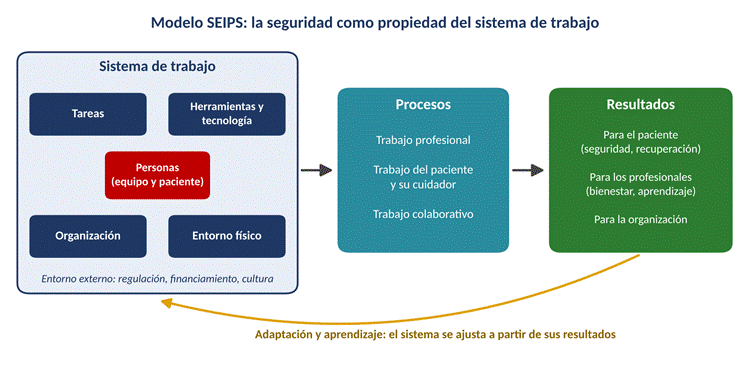
Figure 1. The SEIPS model applied to the surgical path (adapted from Carayon et al. and Holden et al.).
SEIPS is the natural tool for moving from Safety-II to practice: instead of asking who went wrong, it asks which elements of the work system made it difficult to do the task well and which made it easier.
The operating room meets all the conditions that human factors engineering associates with performance variability: highly complex tasks, time pressure, interruptions, marked hierarchies, teams that change composition, fatigue, and communication in a noisy environment. Lingard et al. observed that about one-third of relevant information exchanges in the operating room had some communication failure: it was late, incomplete, not directed to the right person, or not solving the problem. Crew resource management (CRM) tools—brief meetings before and after surgery, closed communication, standardized language, situational awareness, leadership that enables speech—seek to reduce these failures.
3.5. High-reliability organizations
Weick and Sutcliffe described how some organizations—aircraft carriers, nuclear power plants, air traffic controllers—operate with very few accidents despite very high intrinsic risk. They share five traits: concern for failure (every near-incident is a sign), reluctance to simplify explanations, sensitivity to operations (knowing what’s going on on on the front lines), commitment to resilience (ability to bounce back when something fails), and deference to expertise (who knows the most, not who has the highest rank). The American College of Surgeons explicitly embraces this high-reliability horizon in its standards.
3.6. Fair culture and second victim
A punitive culture hides mistakes; a culture without responsibility tolerates recklessness. A just culture distinguishes between human error (which is comforted and analyzed), risky behavior (which is corrected with training and redesign), and reckless behavior (which is sanctioned). Only in a just culture do professionals report incidents, and without reporting there is no learning. Albert Wu called the professional who is affected after an adverse event a second victim: guilt, anxiety, insomnia, desire to leave the profession. Supporting him is not indulgence: it is a condition for him to continue working safely and for the system to learn.
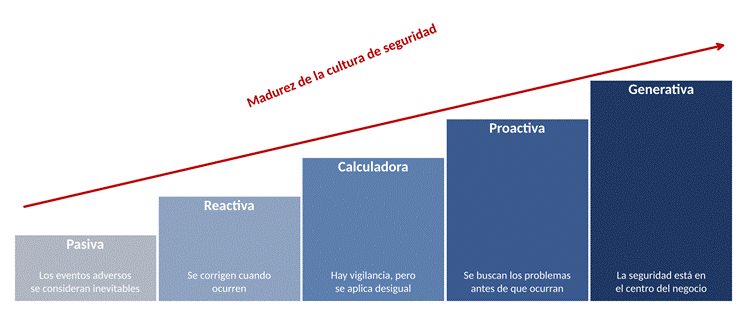
Figure 2. The safety culture maturity ladder (adapted from the American College of Surgeons 2026 standards).
4. The classic barriers of surgical safety
4.1. The WHO checklist
In 2008, WHO launched the Safe Surgery Saves Lives programme and, with it, the surgical safety checklist. Haynes et al. evaluated it in eight hospitals in different countries with almost 7,700 patients: mortality from 1.5% to 0.8% and complications from 11% to 7%. The list is organized into three moments:
| Timing | When | What’s verified |
| Entrance | Before Anesthetic Induction | Identity, site, procedure, and consent; site marking; control of equipment and anesthetic medication; oximeter working; allergies; risk of difficult airway or aspiration; risk of major bleeding and availability of venous access and blood |
| Pause | Before the incision | Presentation of members by name and function; confirmation of patient, site and procedure; antibiotic prophylaxis in the previous 60 minutes; critical events anticipated by surgeon, anesthesiologist and nurse; images available |
| Departure | Before the patient leaves the operating room | Recording of the procedure performed; counting of instruments, gauze and needles; labeling of samples; problems with equipment; critical aspects for recovery |
Table 3. The three moments of the WHO checklist.
Subsequent experience showed that the list is not a form but a team intervention. When it is completed mechanically – signed at the end, with the pause abbreviated by the pressure of the program – it loses its effect. When used as a conversation, with the surgeon present, out loud and with real permission to stop the procedure, it improves communication and culture. That is why the British consensus of 2026 does not measure only whether the list exists, but the proportion of surgeries with the complete and documented list; and that is why some programs directly observe its quality of execution.
4.2. The universal protocol
The Joint Commission established in 2004 the universal protocol to prevent surgery at the wrong site, procedure or patient. It has three components: pre-verification (documents, studies, consent and equipment match the patient and the procedure), site marking by the person who is going to operate, with the patient awake when possible, and pausing immediately before the incision. SAFEST included site marking as a process measure.
4.3. Other essential barriers
- Gauze, instruments and needles are counted at the beginning, before closing and at the end, with a protocol in case of discrepancies.
- Labeling of pathology specimens on site and in the presence of the patient; a mistake here can mean unnecessary or missed cancer surgery. SAFEST considers it critical.
- Brief team meetings before the first case and at the end of the day, to anticipate problems and learn.
- Structured transfers from the operating room to recovery, from recovery to the ward or intensive care, with formats such as SBAR (situation, background, evaluation, recommendation).
- Early warning scales in the room to detect postoperative deterioration and activate the response: the most direct tool against failed rescue.
- Safety of medication in the operating room: labeling of syringes, separation of high-risk medications, double verification.
- Preventive packages (bundles) for surgical site infection, thromboembolism, hypothermia and delirium.
| Key concept No barrier alone is enough. Safety emerges from well-designed barriers, teams able to adapt when real work deviates from imagined, a culture that allows for talking, and a system that measures both what goes wrong and what goes right. |
5. The Argentine legal framework: Law 27.797
Law 27,797 on Health Quality and Safety, known as the Nicolás Law, was published in the Official Gazette on October 8, 2025. It establishes a comprehensive framework for quality and safety of care to prevent avoidable harm in public and private institutions, and is complemented by the Patient Rights Law (26,529). Its principles include fair culture, transparency, autonomy, access to information, humane treatment, user participation, and continuous training of the health team.
For a surgical safety program, its institutional obligations translate directly into system components:
| Obligation of the law (synthesis) | Translation to the surgical program |
| Avoidable damage prevention protocols and audits with monitoring of safety indicators | Critical protocols of the surgical block and nuclear set of indicators |
| Standardized processes for care and surveillance of care-associated infections | Preventive package and surveillance of surgical site infection |
| Non-punitive recording and investigation of incidents, adverse events, and sentinel events | Reporting system, morbidity and mortality athenaeum, root cause analysis |
| Sentinel Event Reporting to the National Registry | Defined circuit for reporting surgical sentinel events |
| Information and complaint mechanisms for users | Indicators of complaints analyzed and discharge information |
| Adequate staffing, shifts that prevent burnout, and protected time for training | Staffing indicators, staff training, and time for team meetings |
| Self-assessment aimed at quality certification | Self-diagnosis with American College of Surgeons standards |
Table 4. From Law 27.797 to the surgical safety program.
The law is a necessary but not sufficient condition. It sets obligations of existence – that there be protocols, records, training – but safety depends on how those elements work together and on someone measuring whether they work. That is precisely the contribution of the evidence discussed in Part II.
Part II
Evidence 2026: Indicators, Frameworks and Standards
6. The 2026 Evidence Map
The six central documents are not isolated works: they form two research programs and a professional standard that dialogue with each other. The first is the British program of the THIS Institute (University of Cambridge) and the Center for Perioperative Medicine of University College London, which in three consecutive publications reviewed the literature, built a conceptual framework and agreed on a nuclear set. The second is the European consortium SAFEST, funded by Horizon Europe, focused specifically on patient safety. In addition to these, there is an Australian review on surgical site infection and the verification standards of the American College of Surgeons.
| Document | Question | Method | Product |
| Kelly et al. Anesthesia 2026 | What indicators of structure and process exist and with what evidence? | Systematic review (2016–2023) + grey literature | 615 classified and evidence-level indicators |
| Wanyonyi-Kay et al. BMJ Qual Saf 2026 | What quality domains make up perioperative care? | Quick Review (45 Sources) + Participatory Consultation | P-Frame: 10-domain framework |
| Wanyonyi-Kay et al. Br J Anaesth 2026 | What are the indicators that matter? | Modified COMET, 4 surveys, consensus workshop | 56 indicators: 28 core and 28 desirable |
| Nunes et al. (SAFEST) J Int J Public Health 2026 | How to measure perioperative safety in routine practice? | 3 reviews + eDelphi in 2 rounds + consensus conference | 76 measures of structure, process and result |
| Lovegrove et al. J Hosp Infect 2026 | What indicators are used to monitor the prevention of surgical site infection? | Scoping Review (JBI) | ~280 indicators mapped into 27 subcategories |
| ACS 2026 Optimal Resources | What infrastructure does a hospital need to guarantee surgical quality? | Peer Verification Standards | 12 standards in 5 areas |
Table 5. The six central documents of this review.
7. Diagnosis: too many indicators, not enough validity
The systematic review by Kelly et al. updates that of Chazapis et al., which in 2018 had gathered 261 structure and process indicators after filtering 1,282 initial ones. The new search in MEDLINE, Embase, CINAHL and Cochrane, in addition to standards, guidelines, national audits and public databases of measures (NICE, Royal Colleges, Centre for Perioperative Care, ASA, CMS, Joint Commission, ANZCA), identified 380 new indicators. The combined set arrived at 615 indicators: 324 process indicators, 248 structure indicators and 43 that could not be clearly classified.
| Variable | Chazapis et al. (2018) | Kelly et al. (2026) |
| Final indicators | 261 (112 structure, 149 process) | 615 (248 structure, 324 process, 43 unclassified) |
| With some evidence support | 47 % | 82 % (505) |
| No clear evidence | 53 % | 18 % (110) |
| Evaluated for validity | Not Informed | 71 (12 %) |
| Based on expert opinion only | Non-discriminated | 85 (13,8 %) |
| Patient-centered | 13 | 8 (1,3 %) |
| Referring to caregivers | — | 5 (0,8 %) |
| Non-specialty specific | — | 549 (89,3 %) |
Table 6. Evolution of perioperative indicators of structure and process. Source: Kelly et al., 2026.
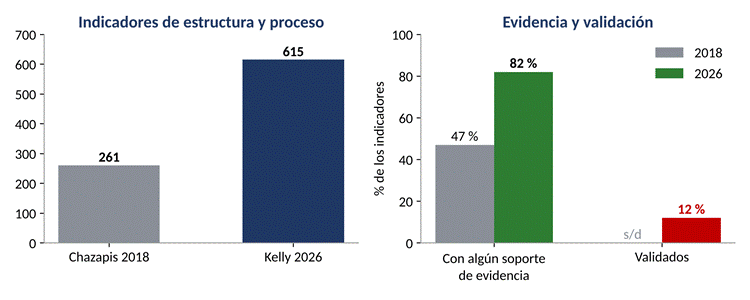
Figure 3. Growth of perioperative indicators and their evidence support, 2018–2026. Source: Kelly et al., 2026.
The distribution along the route is balanced: 27.5% cover the entire circuit (equipment, training, equipment), 21.7% the preoperative, 26.2% the intraoperative and 24.6% the postoperative. But the central problem is different. The authors point out five persistent failures:
- Proliferation. Going from 261 to 615 indicators does not reflect better measurement but a form of waste of improvement.
- Validity not demonstrated. Only 71 indicators were evaluated to know if they really measure the quality they intend to measure.
- Inconsistent definitions. The same indicator appears with different wordings and targets (85% vs. 90%).
- Ambiguous classification. 367 indicators were not labeled as structure or process at source.
- Absence of the patient. Only 1.3% focused on the patient and almost none developed with patients or caregivers.
| Management Reading The bottleneck is no longer evidence but selection. A medical director who wanted to measure everything published would drown in data; one who chose at random would measure things that do not discriminate. The right question is how few, well-defined and comparable indicators tell whether an operating room is safe. The following studies try to answer it. |
8. A conceptual framework: the P-Frame
Before choosing indicators, a framework was needed that said which dimensions of perioperative quality should be represented. The general frameworks—the six dimensions of the Institute of Medicine or the Donabedian triad—are useful but not specific to the surgical path, and the literature grouped the indicators in incompatible ways: by time phase, by clinical topic, by clinical versus systemic aspects.
The THIS Institute team combined a rapid review of the literature (2,403 screened records, 37 academic articles, and 8 sources of gray literature) with a participatory consultation with a group of 17 experts: 13 clinicians—anesthesiologists, surgeons, nurses, geriatricians, intensivists—and 4 representatives of patients or caregivers. The result was the P-Frame, a framework of 10 domains.
| Domain | What it covers |
| 1. Place, environment, facilities and equipment | Physical space, tools and resources for safe care before, during and after surgery |
| 2. Leadership, management and governance | Driving, governance, and management systems that sustain care |
| 3. Organizational culture | Patient-centered values and behaviors, inclusion, equity, and encouragement to express concerns |
| 4. Shared decision and partnership in care | Communication aimed at helping patients and caregivers understand risks, expected outcomes and alternatives |
| 5. Multidisciplinary work and coordination | Teamwork, communication and coordination between services along the route |
| 6. Patient Optimization and Preparation | Systems for the patient to arrive at surgery in the best possible conditions |
| 7. Protocols, policies and clinical guidelines | Availability and use of protocols, checklists, monitoring, and documentation |
| 8. Postoperative, discharge, follow-up and support | Coordination of care after recovery: rehabilitation, discharge and home support |
| 9. Education, training and competition | Staff training, experience and competence |
| 10. Workforce Planning | Adequate staffing, the right mix of skills and support for staff |
Table 7. The ten domains of the P-Frame. Source: Wanyonyi-Kay et al., BMJ Qual Saf 2026.
8.1. Three lessons learned from the framework
- The phases are not enough. Professionals and patients agreed that dividing care into pre, intra, and postoperative was too limiting and insignificant for patients. The transversal domains—governance, teamwork, communication—cross all phases. The domain of «continuous monitoring» was eliminated as redundant.
- Shared decision and teamwork come first. At the group’s request, those two domains were relocated to the beginning of the framework to reflect its centrality.
- Culture is a mosaic. Within the same institution, each team in the surgical journey has its own rules and behaviors. Measuring «the» culture of the hospital can hide the fact that the operating room, the recovery room, and the ward operate with different cultures.
The framework also reflected consensus on a tripartite leadership model (surgery, anaesthesia and nursing) supported by a multidisciplinary team capable of driving improvement at the micro, meso and macro levels. Patients and caregivers insisted on communication and receiving feedback: not only that their opinions are collected, but that they are acted upon and informed.
9. The British nuclear set: from 615 to 56 indicators
Using Kelly’s inventory and the P-Frame framework, the same group developed a core set using a modified version of the COMET (Core Outcome Measures in Effectiveness Trials) methodology, adapted for structure and process indicators rather than outcomes.
9.1. The process
| Phase | Participants | Result |
| Survey 1: Assign Indicators to Domains | Group of experts (14) | 448 discarded, 167 assigned, 58 new proposed |
| Survey 2: Pre-Selection by Domain | Group of experts (12) | 142 indicators (75 structure, 67 process) |
| Survey 3: Sorting by Importance | 263 participants | Ranking within each domain |
| Survey 4: Ranking Review | 112 participants | 92% of top spots remained |
| Consensus workshop (nominal online group) | 26 participants | 87 indicators with ≥50% support |
| Subsequent Visits and 60% Threshold | Group of experts | 56 indicators: 28 core and 28 desirable |
Table 8. Stages of consensus. Source: Wanyonyi-Kay et al., Br J Anaesth 2026.
The composition of large surveys is unusual in this type of study: about half of the participants were patients or caregivers and another third were non-medically trained people interested in surgery. The ordering showed high stability between rounds (Spearman’s correlation 0.89; Kendall’s coefficient of agreement 0.71) and dropout between the third and fourth surveys did not bias the results.
A methodological detail is instructive for any quality committee: the consensus threshold set in advance (50%) was too permissive. With 50%, 87 indicators entered; with 70%, 59; with 80%, 43. The authors chose 60% by combining rankings, qualitative analysis, and strength of evidence, and explicitly prioritized the indicators rated by the patients.
9.2. Core indicators
| Domain | Structure (core) | Process (core) |
| Venue and equipment | Spaces for private conversations about consent. Critical care beds reserved for scheduled surgery | — |
| Leadership and governance | Perioperative circuits with prioritization according to urgency (NCEPOD recommendations). Systems for reporting, investigating, and learning from major and near-incident incidents | Scheduled surgeries suspended within the previous 72 hours. Monthly frequency of multidisciplinary morbidity and mortality athenaeums |
| Organizational culture | Confidential and secure systems for staff to voice concerns. Protected time for team meetings (briefings) on schedules | Proportion of outcomes reported by routine registered patients. Proportion of complaints investigated and analyzed for improvement |
| Shared decision | Systems for involving family and caregivers in decisions | — |
| Multidisciplinary work | Multidisciplinary team for postoperative recovery and safe discharge | Referrals for Scheduled Surgery with Key Information Missing |
| Patient Preparation | Preoperative studies adjusted to guidelines. Single-visit study policy | Preoperative evaluation before assigning a surgical date. Screening (and treatment) for frailty, anemia, diabetes, and hypertension in major surgery |
| Protocols and Guidelines | Guidelines for delirium, perioperative anemia and pain (with 24/7 acute pain service) | Complete and documented WHO checklist. Evaluation by anesthesiologist on the day of surgery |
| Postoperative and discharge | Follow-up within 30 days of discharge | Patients and caregivers receiving medication, wound, and rehabilitation guidance |
| Education and Competition | — | Post-anesthesia recovery personnel trained to the required standard |
| Workforce | Timelines that define where, when and with whom the patient transfer is made | Emergency surgeries admitted to the ICU evaluated by a ward intensivist within 12 h |
Table 9. Core indicators of the British set, by mastery of the P-Frame (own translation and synthesis). The article reports 28 core; the published figure marks 27 as such.
Among the 28 desirable indicators, there are very relevant indicators for a sanatorium: presence of a surgeon and anesthesiologist on staff in patients with a predicted risk of death greater than 5%, a floor decision-maker available in 30 minutes, documented check-up of the anesthesia team, documented preoperative risk score, measured blood loss, adherence to ERAS, registered nutritional status, unplanned admission to critical care, evaluation of mobility and self-care at discharge, immediate information to the family after surgery, 24/7 post-discharge consultation line and review of fragile patients by specialized teams.
9.3. The tensions that the consensus made visible
- Improvement versus feasibility. Novel indicators stimulate change but are difficult to measure; the already routine ones are easy but often do not discriminate because they are «100% everywhere».
- «Checklistification». The professionals warned that multiplying checklists can shift the focus from the patient to the registry.
- Perverse incentives. Time-based indicators can lead to a rush in operations.
- Boundary between the organizational and the perioperative. Some indicators are essential but belong to the general culture of the hospital, not to the operating room.
- Parsimony. They all agreed to limit the number, but none wanted to sacrifice their own; the ideal number ranged from 21 to 60.
- Systems that are not talked about. The measurement clashes with outdated medical records and data that must be loaded by hand in spreadsheets.
10. The European SAFEST consensus: measuring safety
While the UK programme focused on quality structure and process, the SAFEST (Improving Quality and Patient Safety in Surgical Care through Standardisation and Harmonisation of Perioperative Care in Europe) consortium set out a more specific objective: a set of measures to assess patient safety in routine adult perioperative care, which would also include patient-reported outcomes and measures.
10.1. The process
Three reviews (an umbrella review of measures, a systematic review of guidelines, and an umbrella review of non-clinical interventions) screened 9,717 records and included 340 studies, from which 1,305 measures were extracted. Refined, 247 remained. A European panel of 56 experts (49 in the second round; 87.5% retention), with a majority of anesthesiologists and about 10% of patients, rated them for importance and feasibility on a scale of 1 to 9 using a two-round eDelphi. There was consensus for 84 measures; a consensus conference added 10 that patients valued highly although their feasibility was debated. After the final synthesis , 76 measures remained: 36 for structure, 18 for process and 22 for results.
Two findings are striking. No measure reached consensus to be excluded, and measures of structure obtained the highest level of consensus, which contrasts with previous studies where they were relegated. The authors interpret this as the recognition that structure is the foundation of safe care and, moreover, the easiest to assess.
10.2. Measures, by priority level
| Level | Result | Process | Structure |
| Critical and feasible | Wrong site, surgery, or patient. Postoperative sepsis | Thromboembolic prophylaxis. Labeling of pathological anatomy specimens | Updated perioperative medication list. Equipment to administer oxygen. Equipment for difficult airway. Defibrillators with pacemaker. Fluid and blood warmers and rapid infusion. Protocols for massive bleeding, resuscitation, sedation, emergency drugs, anesthetic complications, referral to critical care, and end of life |
| Important and feasible | Perioperative mortality. Hemorrhage. Hypoglycemia. Inadvertent hypothermia. Falls. Unanticipated difficult airway. In-hospital pneumonia. Venous thromboembolism. Prolonged stay (planned or not). Unplanned reintervention. Unplanned admission to ICU or intermediate care. Unplanned readmission | Glycemic monitoring in diabetics. Surgical site and stoma marking. High mortality surgeries under direct supervision of a surgeon and staff anesthesiologist. Thromboembolic and hemorrhagic risk assessment. Adequate antibiotic prophylaxis. Surgical checklist. Clinical and post-anesthetic record standards. Risk of pressure ulcers. Pre-anesthetic evaluation. Intraoperative blood loss. Early warning systems. Supplemental analgesia. Recovery stay. Destination at discharge. Pain assessment | Preoperative preparation policies, discharge criteria, morbidly obese patient, anesthesia outside the operating room, handover, notification of adverse events and near misses, referral, alert of abnormal results, extubation, limits of care, maintenance of anesthetic equipment and patient feedback. Transfer stretchers, standard equipment, warming devices, blood near the operating room, equipped recovery, narcotics control, interpreters and brochures in other languages, adequate number of operating rooms, rest for on-call staff |
| Important (no feasibility consensus) | Pain. Surgical site infection. Nausea and vomiting. Delirium. Major complications. Disability or unforeseen damage. Quality of recovery | — | — |
Table 10. SAFEST perioperative safety core set (76 measures), grouped by level. Own translation and synthesis. Source: Nunes et al., Int J Public Health 2026.
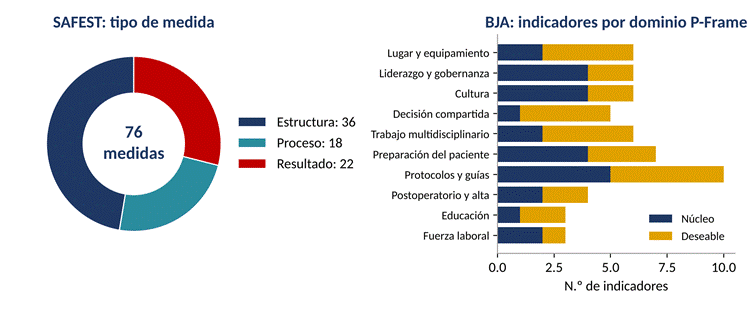
Figure 4. Composition of the SAFEST set by type of measurement and of the British set by P-Frame mastery. Own elaboration.
10.3. Modular Implementation
The authors acknowledge that 76 measures are still too many for routine practice and propose modular implementation. An institution with little data infrastructure can start with critical and feasible structural measures—for example, the existence and dissemination of a massive hemorrhage protocol—which are verified through administrative audits. An institution with a mature electronic health record can automate important and feasible outcomes—such as perioperative hemorrhage—and integrate them into clinical dashboards without additional logging burden.
The panel identified specific barriers: educational materials not adapted to different levels of health literacy; the difficulty of measuring patient information, because reporting does not guarantee that it has been understood; the risk of recording bias; the lack of staff to evaluate results in a systematic manner; and the burden that surveys impose on patients. As facilitators, they pointed to interoperability, mandatory structured fields in the medical record, online surveys, and mobile applications.
| A limitation that matters The SAFEST set leaves out almost all the outcomes of impact on the patient’s life – social functioning, emotional well-being, quality of life. The authors attribute this to the low presence of patients on the panel (10%) and their absence from the final conference: professionals prioritize what they control (protocols, clinical events) and patients value long-term recovery. The lesson is methodological: what is measured depends on who sits at the table. |
11. A control case: surgical site infection
Surgical site infection is one of the most common care-associated infections and the most common surgical wound complication. Globally, it affects about 2.5% of those operated on, with much higher numbers in general surgery (about 11%) and in low- and middle-income countries. It is, to a large extent, preventable. That is why it is the best case to examine whether the available indicators allow prevention to be monitored.
Lovegrove et al. (Griffith University and University of Queensland, with the participation of user representatives) conducted a scoping review using methodology from the Joanna Briggs Institute. After sifting through more than 12,000 papers, they included 79 that proposed indicators with a defined numerator and denominator, or yes/no structure indicators. They identified around 280 indicators.
| Category | Proportion | Main subcategories |
| Process | 55 % | Antibiotics 66% (time of administration, administration, suspension, choice, dose). Skin preparation 6%. Hand hygiene 4%. Normothermia 4%. Protocols and lists 4%. Blood glucose, hair removal and surgical clothing 3% each |
| Structure | 23 % | Protocols 38.5%. Surveillance 29%. Resources 12%. Communication, Staffing, Costs and Training, Marginal |
| Result | 22 % | Incidence of surgical site infection 92%. Sepsis, infection by specific microorganisms and normothermia, residual |
Table 11. Indicators for monitoring the prevention of surgical site infection. Source: Lovegrove et al., J Hosp Infect 2026.
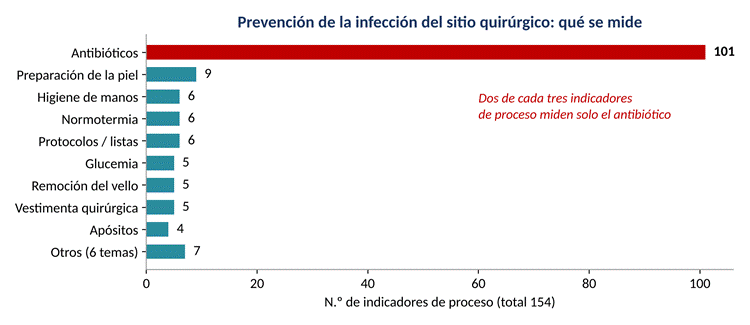
Figure 5. Distribution of process indicators for the prevention of surgical site infection. Authors’ elaboration on Lovegrove et al., 2026.
11.1. What it reveals
- What is easy to record is measured. Two out of three process indicators measure the prophylactic antibiotic; the rest of the preventive package – hand hygiene, normothermy, skin preparation, glycemic control – has almost no indicators.
- Structure is forgotten. Only 11 of the 79 papers (14%) proposed structure indicators. The authors argue that each process should have a structure that makes it possible – a protocol, a resource, a monitoring system – and its own indicator.
- Components of the route are missing. ERAS elements linked to infection, such as screening with glycosylated hemoglobin, smoking and alcohol cessation or minimization of drainage, have no indicators.
- Heterogeneity even affects the result. Even the incidence of infection, the most widely used indicator in the world, is defined with different terminologies and complexities, which makes it impossible to compare between surveillance programs.
The case of surgical site infection reproduces in small all the diagnosis of the previous works: abundance, imbalance, heterogeneity and poor validation.
12. The Infrastructure: The American College of Surgeons’ 2026 Standards
The previous work answers what to measure. The American College of Surgeons answers a previous question: what has to exist in a hospital for measurement to work. Its Quality Verification Program, built on the experience of more than 2,200 hospitals that participate in its quality programs (including NSQIP), verifies through visits by peer surgeons whether an institution has the infrastructure to improve surgical quality in all its specialties. The visits are repeated approximately every three years.
| Area | Standard | Essential content (synthesis) |
| Institutional commitment | Leadership Engagement and Involvement | Management allocates resources, communicates priorities, and receives feedback on initiatives |
| Safety Culture and High Reliability | Periodic measurement of culture, feedback on results, training from entry, active management of events and near misses | |
| Scope and governance | Surgical Quality Manager | A designated, authoritative and supportive surgeon who monitors mortality, adverse events, and variability, and reports quarterly |
| Surgical Safety and Quality Committee | All specialties and related disciplines; operating room operations, perioperative processes, costs, communication and culture; with project management and data analysis support | |
| Patient Care | Standardized processes in all five phases | Preoperative, immediate preoperative, intraoperative, postoperative and post-discharge, with optimization of the high-risk patient, geriatric protocols and intensified recovery |
| Disease Programs and Integrated Practice Units | Standardized multidisciplinary management of complex pathologies or procedures | |
| Data | Data collection and monitoring | Clinical data, adjusted for risk and comparable, with resources to collect and return to teams |
| Quality improvement | Case Review | Selection criteria, standardized process, circuit closure and monitoring of what is detected |
| Surgeons Review | Respectful peer review; policies for disruptive behavior, impairment, well-being, and support for the second victim | |
| Credentials, privileges, and onboarding | Privileges for procedure, mentoring, initial supervision and safe introduction of new technologies | |
| Continuous improvement with data | At least one annual improvement initiative per specialty, with a formal methodology | |
| Regulatory Compliance | Aligning accreditation findings with internal improvement |
Table 12. The 12 standards of the ACS Quality Verification Program 2026 (own paraphrase).
12.1. The Safety Culture Ladder
The American College of Surgeons describes the maturity of an institution in five rungs. In the passive one, adverse events are considered inevitable. In the reactive one, they are corrected when they occur but no one looks for them. In the calculator, there are surveillance and prevention systems, although they are applied unevenly and the data is not used proactively. In the proactive one, problems are looked for before they occur and improvement projects are generated. In the generative one, quality and safety are at the center of the business. Figure 2 depicts it graphically. Honestly placing one’s own institution on that ladder is the first step in any program.
12.2. Minimum protocols required
The five-phase standard calls for, at a minimum, standardized recovery protocols for colorectal surgery, joint replacement, hip fracture, gynecologic surgery, and emergency general surgery (appendectomy, cholecystectomy, and major abdominal surgery), as well as geriatric protocols for delirium, frailty, goals of care, polypharmacy, and discharge planning.
13. Synthesis: convergences and divergences
| Axle | Kelly / P-Frame / BJA | SAFEST | Lovegrove (ISQ) | ACS 2026 |
| Purpose | Perioperative quality | Perioperative Safety | SSI Prevention | Quality infrastructure |
| Includes results | No (by design) | Yes (22) | Yes | Demand tight data |
| Organization | 10 cross-cutting domains | Donabedian and priority levels | Donabedian and subcategories | 5 areas, 12 standards |
| Patients in the process | High (≈50% of surveys) | Low (≈10%) | User representatives | Not applicable |
| Final Number | 56 (28 core) | 76 | ~280 (inventory) | 12 standards |
| Distinctive contribution | Framework + participatory prioritization | Security + modularity | Gaps in the preventive package | Clinical surgical governance |
Table 13. Comparison of approaches.
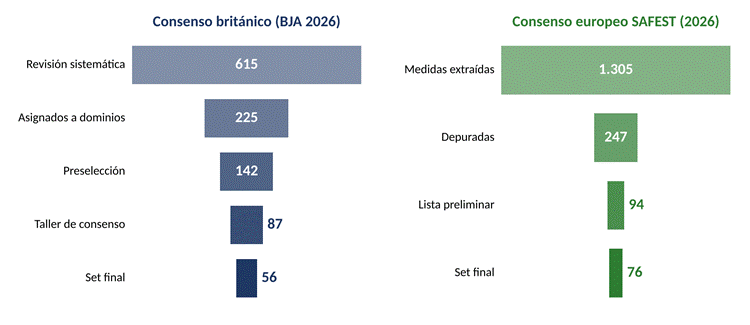
Figure 6. From the inventory to the core set: the selection funnels of the two 2026 consensuses. Prepared by the authors.
13.1. Six convergences
- Parsimony. They all start with hundreds of indicators and end up in dozens. More measurements is not a better measurement.
- The structure returns to the center. SAFEST gave it the greatest consensus, the British set distributes it in all domains, Lovegrove denounces its absence and the American College of Surgeons makes it a condition of verification.
- The patient and the caregiver. From the 1.3% patient-centred indicators of the Kelly review to the discharge information and feedback indicators of the British set, the shift is clear, although incomplete.
- Feasibility and data. No set works without interoperable electronic medical records and structured fields.
- Governance and learning. Morbidity and mortality athenaeums, incident reporting, case review, and safe spaces to talk appear in all frameworks.
- Discriminatory power. An indicator that is 100% everywhere no longer informs; you have to select those that separate good from bad care.
13.2. Three divergences
- Results yes or no. The British program deliberately excluded results; SAFEST included them. For a sanatorium, the answer is pragmatic: both are needed, but the results must be adjusted for risk and volume.
- Phases or domains. The P-Frame abandons the phases; the American College of Surgeons maintains them (five). They are complementary: the phases order the protocols, the domains order the management.
- How many. Between 21 and 76 depending on the work. The answer depends on the maturity of the institution and its capacity to capture data.
Part III
Application: Sacred Heart Sanatorium Surgical Safety Program
14. The Sacred Heart Sanatorium: starting point
14.1. Institutional context
The Sacred Heart Sanatorium is a highly complex institution with 274 beds, including 24 adult intensive care, 25 coronary unit, 14 pediatric intensive care, 14 neonatology, 16 maternity, 16 pediatrics and 128 moderate care, in addition to a prompt relief with 53 places. It serves exclusively OSECAC beneficiaries: provider and funder belong to the same group, and the beds are financed as a fixed cost.
That model has three direct consequences for surgical safety:
- Aligned incentives. There is no third payer to absorb the cost of a complication. A surgical site infection, a reoperation, or an extended stay consume the same fixed capacity that the Sanatorium needs to operate on other patients. Safety frees up beds and the operating room: it is productivity.
- Continuity possible. As this is a captive and well-known population, follow-up after discharge – to monitor infection, readmissions or quality of recovery – is more feasible than in a provider that serves multiple funders.
- Critical capacity as a strategic resource. With 49 adult critical beds (intensive care and coronary unit) competing between scheduled surgery, the urgency of prompt relief and clinical demand, the reservation of critical beds for high-risk surgery is a safety decision, not just a bed management one.
14.2. Critical Surgical Path Interfaces
| Interface | Main risk | Proposed barrier |
| Programming → Office | Patient not optimized (anemia, diabetes, frailty) or missing information | Preoperative evaluation before assigning a date; verification at 72 h |
| Soon help → emergency operating room | Delays without explicit prioritization; competition with the scheduled agenda | Urgency categories with maximum times and record of delays |
| Operating room → recovery | Incomplete transfer; early discharge of recovery | Structured handover; written recovery discharge criteria |
| Recovery → intensive care unit or coronary unit | Lack of reserved bed; unplanned entry | Critical bed reservation before incision at high risk |
| Recovery → moderate care | Deterioration not detected; rescue failed | Early warning scale and rapid response circuit |
| Room → home | insufficient information; infection or late complication not captured | Written instructions to patient and caregiver; 30-day follow-up |
| Maternity → operating room (caesarean section) | Obstetric urgency with time pressure | Checklist adapted to caesarean section; obstetric hemorrhage simulation |
Table 14. Critical interfaces of the surgical path in the Sanatorium.
14.3. Self-diagnosis of the infrastructure
The first step is to honestly place the Sanitarium against the twelve standards of the American College of Surgeons. The following table is a working instrument to complete with the committee.
| Standard | Self-Diagnostic Question | Current situation | Gap |
| Commitment of the leadership | Are resources allocated and surgical safety priorities communicated? | ||
| Safety culture | Was the safety culture of the surgical team measured in the last three years? | ||
| Surgical Quality Manager | Is there a surgeon appointed with time and authority? | ||
| Surgical Safety and Quality Committee | Is there a record, with all the disciplines, and follow-up? | ||
| Processes in the five phases | Are there optimization protocols, ERAS and geriatrics? | ||
| Programs by pathology | Are there integrated circuits (hip fracture, colorectal, joint replacement)? | ||
| Data and surveillance | Is there surgical outcome data returned to teams? | ||
| Case Review | Is there a morbidity and mortality athenaeum with criteria and closure of the circuit? | ||
| Surgeons Review | Is there peer review and support for the second victim? | ||
| Credentials and privileges | Are privileges granted by procedure? | ||
| Continuous improvement | Did each specialty have at least one improvement initiative in the last year? | ||
| Regulatory Compliance | Are the obligations of Law 27,797 covered? |
Table 15. Self-diagnosis instrument (to be completed).
15. The Program: Three Layers
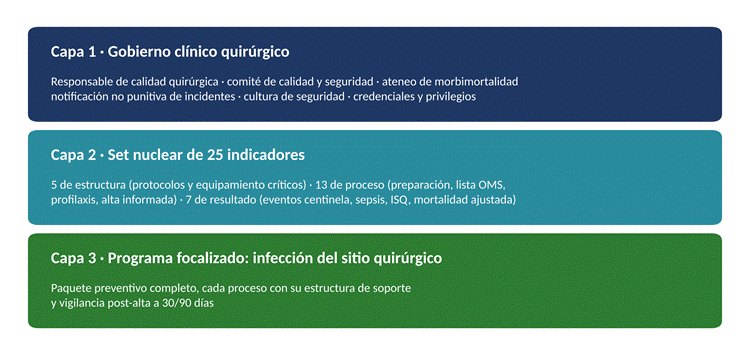
Figure 7. Three-layer model of the surgical safety program.
15.1. Layer 1: Clinical Surgical Governance
The Surgical Quality and Safety Committee is the body that articulates the programme. The following composition and functions are proposed:
| Member | Role on the committee |
| Medical Management | Chairs or delegates; allocates resources; receives the quarterly report |
| Surgical Quality Officer (Surgeon) | Coordinates; leads the Morbidity and Mortality Athenaeum; reports to the Management |
| Heads of Surgery and Anesthesiology | Protocols, credentials, case and peer review |
| Quality Area | Datasheets, dashboard, incident reporting, root cause analysis |
| Care Management Area (nursing) | Checklist, counting, handoffs, normothermy, early warning |
| Coordination of the operating room and instrumentation | Programming, suspensions, critical equipment |
| Patient Management Area | 72-hour verification, reservation of critical beds, discharge and follow-up |
| Infection and Infectious Diseases Committee | Surgical Site Infection Surveillance and Preventive Package |
| Pharmacy | Antibiotic and thromboembolic prophylaxis; high-risk medication |
| Intensive Care and Coronary Unit | Bed booking, rescue, unplanned admissions |
| Management Residency | Analytical support: data extraction, control charts, reports |
Table 16. Proposed composition of the Surgical Quality and Safety Committee.
In addition to the committee, the governance layer includes the multidisciplinary monthly morbidity and mortality athenaeum, the non-punitive incident reporting system with return to the notifier, the safety culture survey of the surgical team every two years, the review of privileges by procedure and a support device for the second victim.
15.2. Layer 2: Nuclear set with managers
| No. | Indicator | Type | Responsible area | Frequency |
| 1 | Current and disseminated critical protocols (massive hemorrhage, difficult airway, resuscitation, sedation, emergency drugs, referral to ICU) | E | Quality / Anesthesiology | Annual |
| 2 | Verified critical equipment (difficult airway, defibrillator with pacemaker, heater and rapid infuser) | E | Operating room coordination | Monthly |
| 3 | Critical bed reserved before incision in high-risk surgery | E | Patient/ICU Management | Monthly |
| 4 | Acute pain service available 24/7 | E | Anesthesiology | Annual |
| 5 | Structured follow-up 30 days after discharge | E | Patient Management | Quarterly |
| 6 | Complete pre-operative evaluation before assigning a date | P | Anesthesiology | Monthly |
| 7 | Screening and treatment of frailty, anemia, diabetes and hypertension in major surgery | P | Surgery / Medical Clinic | Quarterly |
| 8 | Documented preoperative risk score | P | Anesthesiology | Monthly |
| 9 | Complete WHO checklist in its three moments | P | Care Management | Monthly |
| 10 | Surgical Site Marking | P | Surgery | Monthly |
| 11 | Appropriate antibiotic prophylaxis in drug, dose and time | P | Pharmacy / Infectious Diseases | Monthly |
| 12 | Thromboembolic prophylaxis according to risk | P | Pharmacy / Surgery | Monthly |
| 13 | High-risk surgery with a surgeon and anesthesiologist present | P | Headquarters | Quarterly |
| 14 | Correct labeling of pathological anatomy specimens | P | Care Management | Monthly |
| 15 | Discharge indications on medication, wound and rehabilitation for patient and caregiver | P | Care Management | Monthly |
| 16 | Scheduled surgeries suspended within the previous 72 hours | P | Patient Management | Weekly |
| 17 | Morbidity and mortality athenaeums carried out / programmed | P | Surgical Quality Manager | Monthly |
| 18 | Complaints and incidents analyzed with return | P | Quality | Quarterly |
| 19 | Wrong site, procedure, or patient; retained foreign body | R | Medical Management | Immediate |
| 20 | Sepsis postoperatoria | R | Infectious Diseases / ICUs | Monthly |
| 21 | Surgical site infection at 30 days (90 with implants) | R | Infections Committee | Quarterly |
| 22 | Unplanned reintervention | R | Surgery | Monthly |
| 23 | Unplanned admission to the ICU or coronary unit | R | UTI / Quality | Monthly |
| 24 | Risk-adjusted 30-day perioperative mortality | R | Quality / Residency Management | Quarterly |
| 25 | Patient-reported quality of recovery | R | Quality | Semi-annual |
Table 17. Core set of the Sanatorium with responsible area. E: structure; P: process; R: result.
15.3. Baseline
Before setting goals, the committee must know the starting point. It is suggested to survey for three months the indicators that can already be extracted from the medical record and operating room systems, and to record the baseline in a format such as the following:
| Indicator | Data Source | Baseline | 12-month goal |
| Complete checklist | Medical history/operating room record | ||
| Antibiotic prophylaxis in the previous 60 minutes | Anesthetic recording | ||
| Temperature ≥36 °C at entry to recovery | Recovery Log | ||
| Suspensions within 72 hours | Programming System | ||
| Unplanned admission to the ICU or coronary unit | Census of critical beds | ||
| Unplanned reintervention | Operating Room Registration | ||
| Surgical site infection | Surveillance of the Infection Committee |
Table 18. Baseline worksheet (to be completed).
15.4. Layer 3: Surgical Site Infection Program
It is proposed to start with the procedures with the highest volume and risk, and to extend surveillance to the post-discharge period, taking advantage of the continuity offered by the OSECAC population.
Following Lovegrove’s recommendation that each process has its support structure, it is proposed to measure the complete preventive package and not just the antibiotic:
| Process | Process indicator | Support structure |
| Prophylactic antibiotic | Within 60 min prior to incision; suspended within 24 h | Protocol by procedure; antibiotic available in the operating room |
| Skin preparation | Antisepsis according to protocol; shower or bath beforehand | Standardized supplies; written indication to the patient |
| Hair removal | No blade shaving; use of clipper when necessary | Cutters available; shavers removed |
| Normotermia | Temperature ≥36 °C at entry to recovery | Forced-air and fluid heaters in each room |
| Glycemic control | Perioperative Blood Glucose Measured and Controlled in Diabetics | Perioperative insulin protocol |
| Hand hygiene | Compliance observed in the operating room and recovery | Dispensers and trained observers |
| Surveillance | Post-discharge follow-up to 30/90 days | Surveillance system with standardized definitions |
Table 19. Surgical site infection prevention package with its process-structure pair.
15.5. Roadmap
| Point | Milestones |
| Putt 1–3 | Designation of the head of surgical quality and constitution of the committee. Self-diagnosis (Table 15). Audit of critical protocols and equipment. Baseline survey |
| Putt 4–6 | Approved technical sheets. First monthly dashboard with control charts. Morbidity and mortality athenaeum with selection criteria. Sentinel event notification circuit in accordance with Law 27,797 |
| 7–9 Bars | Surgical Site Infection and Post-Discharge Surveillance Package. Safety Culture Survey by Team. Early Warning Scale in Moderate Care |
| My 10–12 | Revision of the set (remove what does not discriminate). A formal improvement initiative by surgical specialty. Annual report to Management and return to the teams |
Table 20. Twelve-month roadmap.
| Message to the Sanatorium In a system where provider and funder share the risk, each complication avoided returns capacity: critical bed days, operating room hours, and surgical shifts for other members. The surgical safety program is at once a legal obligation, an ethical commitment, and the most efficient productivity tool available. |
15.6. Risks to avoid
- Checklistification: that measurement turns care into filling out forms.
- Corruption of the metric: when an indicator becomes a goal with reward or punishment, it tends to stop measuring what it measured. It is advisable to reserve a few indicators for accountability and use the rest to learn.
- Log load: Every new piece of data must justify its cost; prioritize what can be extracted from existing systems.
- Individual fault: Safety is an attribute of the system; a surgeon’s data is used to support and correct, not to punish.
- Measure without returning: an indicator that does not return to the equipment that produces it does not improve anything.
16. Conclusions
The evidence of 2026 closes a stage. For two decades, the surgical community accumulated indicators; now it knows that it has too many, poorly validated and poorly defined, and that almost none were built with patients. The work of the THIS Institute offered a framework of ten domains and a set of 56 indicators chosen with patients and caregivers. SAFEST provided a safety set of 76 measures hierarchized by criticality and feasibility. Lovegrove showed, in surgical site infection, how measurement focuses on what is easy and abandons the rest of the preventive package. The American College of Surgeons recalled that no indicator is useful without a clinical government that uses it.
For a medical director, the message is clear: the safety of the operating room is not guaranteed with a checklist or a dashboard, but with a system. A person in charge with authority, a committee that works, athenaeums that close the circuit, a culture that allows talking, a limited set of indicators with precise cards and the patient’s voice inside. Measure less, measure better, measure with the patient and, above all, use what is measured.
Part IV
Learning activities
17. Case to Analyze
| Case: Mrs. R.’s colectomy (fictitious case for teaching purposes) Mrs. R., 74 years old, diabetic and hypertensive, is referred for a scheduled colectomy for a colon tumor. In the preoperative consultation, a hemoglobin of 9.8 g/dL was recorded, but no treatment was indicated; the surgical date was assigned before the anesthetic evaluation. The surgery was suspended twice: the first time because a cardiological study was missing, the second because of lack of critical bed. On the day of surgery, the program is delayed. The pause is made in an abbreviated manner while the surgeon finishes washing; the antibiotic is administered at induction, about 90 minutes before the incision, and is not repeated despite the fact that the surgery lasts four hours. There is no forced-air heater available in that room. The patient enters recovery with 35.2 °C. As there is no bed in intensive care, she is transferred to moderate care. The transfer is done verbally and in a hurry. During the night she presents tachycardia and oliguria; the recording of vital signs is irregular and there is no alert scale that triggers the consultation. After 36 hours, anastomotic dehiscence is diagnosed; she is reoperated and admitted to intensive care. She evolves with infection of the surgical site and a hospitalization of 21 days. |
Slogans
- Analyze the case with the SEIPS model: what elements of the work system (people, tasks, tools, organization, environment) made it difficult to do the task well?
- From Safety-II: what adjustments did the team make to get the work out (work done versus work imagined)? Which were useful and which were dangerous? What efficiency-completeness trade-offs do you require?
- Which of the four resilient system capabilities (respond, monitor, learn, anticipate) failed first?
- Which indicators of the nuclear set (Table 17) would have detected each fault before the damage?
- Which P-Frame domains correspond to each fault?
- Was there a failed rescue? What structural elements would have allowed for a timely rescue?
- Write the first three recommendations that the athenaeum would make on morbidity and mortality and assign a person in charge to each one.
- Estimate, in days of intensive care and moderate care beds, the opportunity cost of this case for an institution with fixed capacity.
18. Questions for discussion
- Why can the increase from 261 to 615 indicators in a decade be considered a waste and not progress?
- The British consensus prioritized indicators valued by patients. What indicators would you add if patients participated in the design at your institution?
- Should we include indicators that are already 100% complete in a core set? Argue for and against.
- What are the risks of using time indicators (punctuality, turnover) as goals with incentives?
- SAFEST assigned the highest consensus to the structure. Is it good news or a reflection of what is easier to measure?
- How do you measure the culture of a surgical team when culture is a mosaic of subcultures?
- What changes in the security economy when lender and funder belong to the same group?
- Law 27,797 requires recording and investigating events in a non-punitive manner. What institutional conditions are needed for this to really happen?
19. Exercise: Writing a Fact Sheet
Choose an indicator from the nuclear set and complete its data sheet. The antibiotic prophylaxis data sheet is presented as a model.
| Field | Example: Timely antibiotic prophylaxis |
| Number | Antibiotic prophylaxis administered within 60 minutes prior to incision |
| Type and domain | Process · Protocols and clinical guidelines |
| Justification | Timely administration reduces surgical site infection; it is the most widely used prevention indicator in the literature |
| Numerator | Patients with an indication for prophylaxis who received the first dose between 60 and 0 minutes before incision (120 for vancomycin and fluoroquinolones) |
| Denominator | Patients operated on with indication for prophylaxis according to institutional protocol |
| Exclusions | Patients on ongoing antibiotic treatment for previous infection |
| Data Source | Anesthetic recording (time of administration) and operating room recording (incision time) |
| Responsible for the capture | Operating room nursing; validation by Pharmacy |
| Frequency and presentation | Monthly, Specialty Control Chart |
| Target and alert threshold | To be fixed after baseline; alert for two consecutive months below the lower limit |
| Review | Annual or in the event of a change in protocol |
Table 21. Model technical sheet.
20. Self-assessment
1. According to de Vries’ review, what approximate proportion of hospital adverse events are related to surgery?
a) 1 in 10
b) 4 out of 10
c) 7 out of 10
d) 9 out of 10
2. The central finding of Ghaferi et al. was that hospitals with high surgical mortality:
a) they had many more complications
b) operated on more serious patients
c) they rescued complicated patients worse
d) they had fewer surgeons
3. According to Hollnagel, Safety-II defines safety as:
a) the absence of adverse events
b) the ability to get as many things as possible right under varying conditions
c) strict compliance with the protocols
d) the elimination of human variability
4. At what point in the WHO list is antibiotic prophylaxis confirmed?
a) Entrance
b) Pause
c) Departure
d) In the courtroom
5. The review by Kelly et al. (2026) found that the following were evaluated for their validity:
(a) 82% of the indicators
(b) 47%
(c) 12%
d) none
6. The P-Frame replaces the phased organization because:
a) phases do not exist
b) aspects such as leadership and communication go through all phases
c) patients prefer phases
d) Simplifies measurement
7. How many measures make up the SAFEST safety set?
a) 28
(b) 56
(c) 76
(d) 615
8. In Lovegrove’s review of surgical site infection, most process indicators measure:
a) Hand hygiene
b) normothermia
c) the prophylactic antibiotic
d) skin preparation
9. Which of these is an American College of Surgeons standard?
a) Surgical Quality Manager
b) Turnover goals
c) Public ranking of surgeons
d) Mandatory annual satisfaction survey
10. In the just culture, reckless behavior:
a) Console
b) it is ignored
c) corrects only with training
d) it is sanctioned
Answers: 1 b · 2 c · 3 b · 4 b · 5 c · 6 b · 7 c · 8 c · 9 a · 10 d
21. Glossary
| Term | Definition |
| Adverse event | Harm to the patient caused by care and not by their disease |
| Sentinel Event | A serious and unexpected event that requires immediate investigation; in surgery, for example, the wrong site or the retained foreign body |
| Near Miss Incident | Error that did not reach the patient or caused harm; main source of learning |
| Safety-II | Hollnagel’s approach: safety as the ability to make things go well under varying conditions |
| Imagined work and work done | Distinction between protocol-described work and work that is actually done with adjustments |
| ETTO Principle | Inevitable compromise between efficiency and completeness in everyday work |
| Resilience | Ability of a system to respond, monitor, learn, and anticipate |
| FORWARD | Functional resonance analysis method: studies how the variability of coupled functions is combined |
| SEIPS | Human factors model that links work system, processes and results |
| Failed rescue | Death of a patient after a complication that could have been treated in time |
| Fair culture | Culture that distinguishes human error, risky behavior, and reckless behavior |
| Second victim | Emotionally affected professional after an adverse event |
| Structure indicator | Measure resources, equipment, protocols, or systems |
| Process indicator | It measures whether what corresponds is done, with whom it corresponds and when it corresponds |
| Result Indicator | Measure the effect of care on patient health |
| Put nuclear | A minimum, consensual set of indicators that should all measure in the same way |
| COMET | Methodology for agreeing on core sets of results, adapted in 2026 to structure and process indicators |
| eDelphi | Consensus technique in successive rounds electronically with return of results |
| P-Frame | Ten-Domain Perioperative Quality Framework (THIS Institute, 2026) |
| SAFEST | European project for the standardisation of perioperative safety |
| ERAS | Intensified Recovery After Surgery: Evidence-Based Multimodal Protocols |
| Technical data sheet | Standardized definition of an indicator: numerator, denominator, source, frequency, and target |
Table 22. Glossary.
Bibliography
Core documents
- Kelly S, Cunnington P, Dunn H, Kuhn I, Martin G, Dixon-Woods M, Boney O, Moonesinghe SR, Wanyonyi-Kay K. Quality indicators for structure and process in perioperative care: a systematic review. Anesthesia 2026; 81: 1148–1159. https://doi.org/10.1111/anae.70185
- Wanyonyi-Kay K, Martin GP, Ball S, Cunnington P, Boney O, Moonesinghe SR, Dixon-Woods M; Perioperative Expert Contributor Group. Quality Framework for Perioperative Care: Rapid Review and Participatory Exercise. BMJ Qual Saf 2026 (published online 12 January). https://doi.org/10.1136/bmjqs-2025-019452
- Wanyonyi-Kay K, Boney O, Cunnington P, Richards K, Ball S, Wahedally H, Martin G, Moonesinghe SR, Dixon-Woods M; Perioperative Consensus Contributing Group. Development of a perioperative core structure and set of process indicators using the modified Core Outcome Measures in Effectiveness Trials (COMET) methodology and participatory approaches. Br J Anaesth 2026 (in press). https://doi.org/10.1016/j.bja.2026.07.066
- Nunes AB, Teixeira JP, Leite A, Schäfer W, Valli C, Martínez-Nicolas I, et al.; SAFEST Consortium. Set of Core Measures for Patient Safety in Perioperative Care: A Practice-Oriented Clinical Consensus Study. Int J Public Health 2026; 71: 1609159. https://doi.org/10.3389/ijph.2026.1609159
- Lovegrove J, Marshall J, Kuruppu N, Shinners L, Carlini J, Colquhoun J, Liang R, Havers SM, Gillespie BM. Indicators to monitor the quality of infection prevention at the surgical site: a review of scopes. J Hosp Infect 2026; 177: 132–143. https://doi.org/10.1016/j.jhin.2026.09.005
- American College of Surgeons. Optimal Resources for Surgical Quality and Safety. 2026 Standards (ACS Quality Verification Program). Chicago: ACS; effective January 2026.
Additional bibliography
- Chazapis M, Gilhooly D, Smith AF, Myles PS, Haller G, Grocott MPW, Moonesinghe SR. Perioperative structure and indicators of quality and process safety: a systematic review. Br J Anaesth 2018; 120: 51–66.
- Gilhooly D, Chazapis M, Moonesinghe SR. Prioritizing quality indicators for elective perioperative care: a Delphi consensus. Perioper Med (London) 2020; 9: 8.
- Donabedian A. Quality of care: how can it be assessed? JAMA 1988; 260: 1743–1748.
- Institute of Medicine. Crossing the Quality Chasm: A New Health System for the Twenty-First Century. Washington (DC): National Academies Press; 2001.
- Haynes AB, Weiser TG, Berry WR, et al. A surgical safety checklist for reducing morbidity and mortality in a global population. N Engl, J Med 2009; 360: 491–499.
- Mainz J. Development of evidence-based clinical indicators: an introduction to state-of-the-art methods. Int J Qual Health Care 2003; 15: 5–11.
- Williamson PR, Altman DG, Bagley H, etc. The COMET Manual: version 1.0. Ensayos 2017; 18: 280.
- Boney O, Moonesinghe SR, Myles PS, Grocott MPW; StEP-COMPAC Group. Key Outcome Measures for Perioperative and Anesthetic Care (COMPAC): A Modified Delphi Process. Br J Anaesth 2022; 128: 174–185.
- Dixon-Woods M. How to Improve Healthcare Improvement – An Essay by Mary Dixon-Woods. BMJ 2019; 367: l5514.
- Marang-van de Mheen PJ, Vincent C. Measuring what matters: refining our approach to quality indicators. BMJ Qual Saf 2023; 32: 305–308.
- Emond YEJJM, Calsbeek H, Peters YAS, et al. Increased adherence to perioperative safety guidelines associated with improved patient safety outcomes: a multicenter randomized step-wedge trial. Br J Anaesth 2022; 128: 562–573.
- World Health Organization. Global Guidelines for the Prevention of Surgical Site Infections. 2nd ed. Geneva: WHO; 2018.
- Berríos-Torres SI, Umscheid CA, Bratzler DW, et al. Centers for Disease Control and Prevention Guidance for Surgical Site Infection Prevention, 2017. JAMA Surg 2017; 152: 784–791.
- Hu QL, et al. Evidence Review for American College of Surgeons Quality Verification Part I: Building Quality and Safety Resources and Infrastructures. J Am Coll Surgery 2020; 231: 557–569.
- Fischer CP, et al. Evidence Review for American College of Surgeons Quality Verification Part II: Processes for Reliable Quality Improvement. J Am Coll Surg 2021.
- National Institute for Health and Care Excellence. Perioperative Care in Adults [NG180]. London: NICE; 2020.
Patient Safety Fundamentals and Legal Framework
- Kohn LT, Corrigan JM, Donaldson MS, eds. To err is human: Building a safer health system. Washington (DC): National Academy Press; 2000.
- de Vries EN, Ramrattan MA, Smorenburg SM, Gouma DJ, Boermeester MA. The incidence and nature of hospital adverse events: a systematic review. Qual Saf Health Care 2008; 17: 216–223.
- Ghaferi AA, Birkmeyer JD, Dimick JB. Change in in-hospital mortality associated with hospital surgery. N Engl J Med 2009; 361: 1368–1375.
- Hollnagel E. Safety-I and Safety-II: The Past and Future of Safety Management. Farnham: Ashgate; 2014.
- Hollnagel E, Wears RL, Braithwaite J. From Safety-I to Safety-II: A Technical Book. The Resilient Health Care Network; 2015.
- Hollnagel E. The ETTO Principle: Balance Between Efficiency and Comprehensiveness. Farnham: Ashgate; 2009.
- Hollnagel E. FRAM: The Functional Resonance Analysis Method. Farnham: Ashgate; 2012.
- Braithwaite J, Wears RL, Hollnagel E. Resilient healthcare: turning patient safety upside down. Int J Qual Health Care 2015; 27: 418–420.
- Carayon P, Schoofs Hundt A, Karsh BT, et al. Patient Safety Work System Design: The SEIPS Model. Qual Saf Health Care 2006; 15 (Suppl 1): i50–i58.
- Holden RJ, Carayon P, Gurses AP, et al. SEIPS 2.0: A Human Factors Framework to Study and Improve the Work of Healthcare Professionals and Patients. Ergonomics 2013; 56: 1669–1686.
- Lingard L, Espin S, Whyte S, et al. Communication failures in the operating room: an observational classification of types and recurrent effects. Qual Saf Health Care 2004; 13: 330–334.
- Weick KE, Sutcliffe KM. Managing the Unexpected: Resilient Performance in an Age of Uncertainty. 2nd ed. San Francisco: Jossey-Bass; 2007.
- Marx D. Patient Safety and the «Just Culture»: An Introduction for Healthcare Executives. New York: Columbia University; 2001.
- Wu AW. Medical error: the second victim. BMJ 2000; 320: 726–727.
- World Health Organization. WHO Guidelines for Safe Surgery 2009: Safe Surgery Saves Lives. Geneva: WHO; 2009.
- The Joint Commission. Universal Protocol to Prevent Improper Placement, Incorrect Procedure and Wrong Person Surgery. Oakbrook Terrace: The Joint Commission; 2004.
- Argentine Republic. Law 27,797 on Quality and Health Safety («Nicolás Law»). Official Gazette, October 8, 2025.
- Argentine Republic. Law 26.529 on the Rights of the Patient in their Relationship with Health Professionals and Institutions. 2009.
Note: this document was prepared with the assistance of Claude (Anthropic) as a writing and editing tool, under the scientific supervision and responsibility of the author. Teaching material of the Diploma in Patient Safety. The indicator tables of the central documents are translations and synthesis; the clinical case is fictitious; for operational use, the original definitions must be consulted.
